Comparison
Silica vs clay cat litter
Silica crystals absorb urine and let it evaporate; clumping clay wraps urine into a solid you lift out. That single difference drives everything else — how often you handle the box, how heavy the bag is, how much dust you breathe, and how the room smells on day ten.
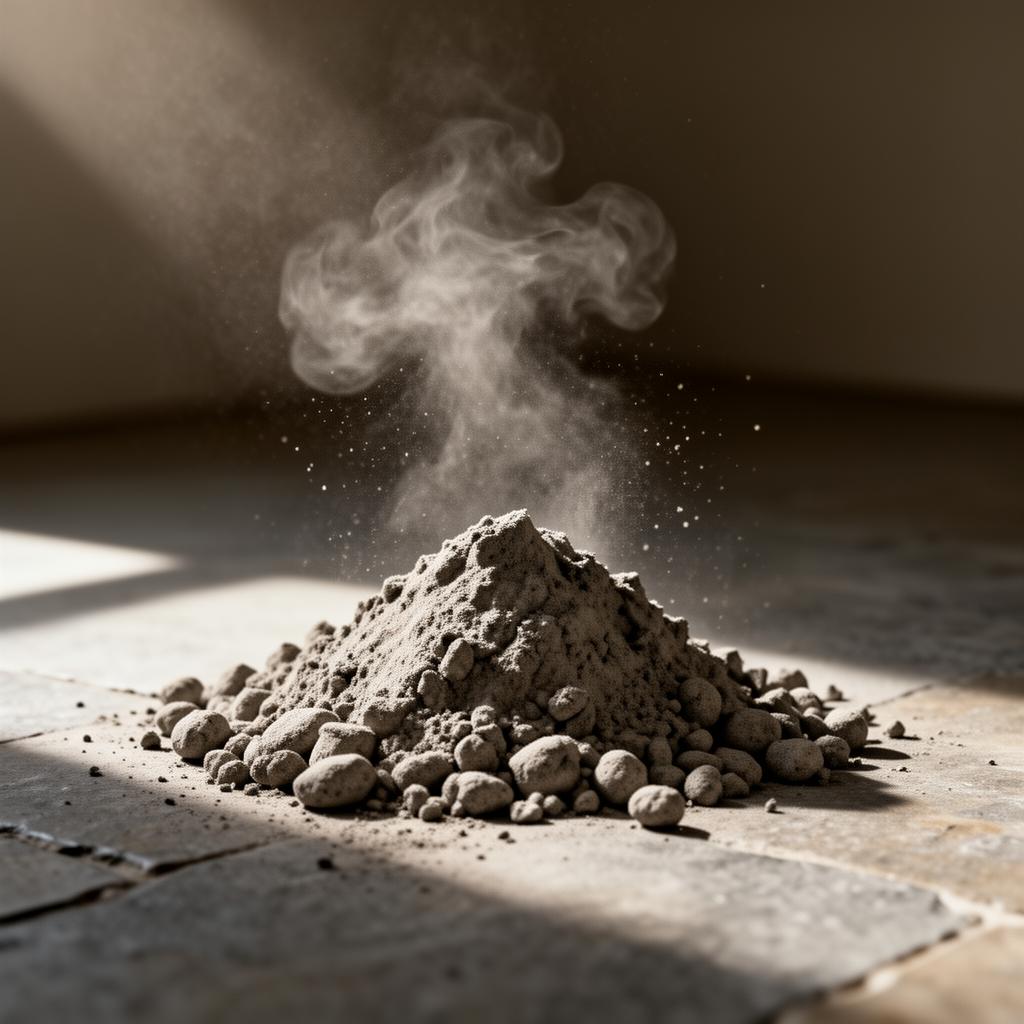
Side by side
| Silica crystals | Clumping clay | |
|---|---|---|
| Mechanism | Absorbs into pores, evaporates | Binds liquid into a removable clump |
| Dust | Low — coarse, heavy granules | Moderate to high — finely milled |
| Odor over time | Stays low while the bed is dry | Low if every clump is removed promptly |
| Daily work | Scoop solids | Scoop clumps and solids, ideally twice |
| Stirring | Every few days | Not required |
| Full change | Every 3–4 weeks (one cat) | Roughly monthly, plus constant topping up |
| Bag weight | 8–16 lb | Often 25–40 lb |
| Tracking | Visible granules, sweep up | Fine grit that clings to paws |
| Cost per pound | Higher | Lower |
| Cost per month | Comparable once frequency is counted | Comparable, more trips to buy it |
Where clay is still the better choice
An honest comparison has to include this. Clumping clay is the right answer in several real situations:
- Monitoring a cat's urine. Clumps make volume and frequency visible, which matters for cats with urinary or kidney conditions. Follow your vet's guidance here.
- Kittens. A softer, finer bed suits cats still learning the box.
- Cats with a strong texture preference. A cat that refuses crystals has settled the argument.
- Tight budgets. Clay is the cheapest litter per pound, and that is a legitimate reason.
Where crystals clearly win
Air in small spaces
Coarse granules keep far less material airborne than milled clay. In a studio or one-bedroom apartment the difference is noticeable within a day. Details in low dust cat litter.
Sustained freshness
A dry bed produces less ammonia in the first place, so freshness does not depend on catching every clump. See odor control cat litter.
Physical effort
Carrying 8 lb instead of 35 lb, less often, is a quiet upgrade to daily life — especially without a car or with stairs.
Time
Scoop solids, stir occasionally, change every few weeks. That is the whole routine, explained in how crystal cat litter works.
Switching a cat over gradually
Cats read the litter box by texture and smell, so change it slowly enough that it still feels like their box.
- Days 1–3: about a quarter crystals, mixed through the existing clay bed.
- Days 4–7: move to roughly half and half.
- Days 8–12: mostly crystals, with a little clay for familiarity.
- Day 13 onward: full crystal bed at about two inches, tray washed.
If your cat hesitates, hold at the previous ratio for a few more days rather than pushing forward. And keep a second box on the old litter during the changeover if you have space — a cat that has a choice is far less likely to look for one elsewhere.
Frequently asked
- Is silica litter better than clay?
- It depends on what you are optimising for. Silica wins on dust, weight, handling frequency and sustained freshness. Clumping clay wins on immediate removal of urine, price per pound and familiarity for cats already used to it.
- Is crystal litter more expensive than clay?
- Per pound, yes. Per month the gap narrows, because a crystal bed is replaced every few weeks rather than topped up and changed constantly. Compare monthly cost rather than shelf price.
- Can I switch my cat from clay to crystals straight away?
- Some cats do not notice. Many do. Mixing crystals into the existing clay bed over a week or two, increasing the proportion each time, avoids a cat deciding the box has changed too much.
- Which litter is better for multiple cats?
- Either can work, but multi-cat homes need more total absorbency however they get it: a larger crystal bed changed every two weeks, or diligent clump removal several times a day with clay.
Keep reading
Crystal cat litter, explained
What crystal litter is, how it differs from clay, and what to look for before you buy.
ReadHow crystal cat litter works
Absorption, evaporation, the daily routine, and how often to change the whole tray.
ReadLow dust cat litter for cleaner air at home
Why litter dust happens, and how to keep it out of the air in a small apartment.
ReadThe litter
LitterBetter™
Premium silica crystals in an 8 lb pouch for one cat ($23, or $19 on subscription) and a 16 lb pouch for multi-cat homes ($38, or $32 on subscription). Free delivery, pause or cancel anytime.